Kate Pletcher is the founder and CEO of Treehouse Partners, a boutique executive search firm well known for identifying the right leaders for LA’s tech community.
Pletcher speaks to her clients’ latest concerns, including the search for key leadership, launching a company during a recession, the adoption of AI, and the most important thing: what executives should do to position themselves for the next big job.
“Your personal brand is important,” says Pletcher, and advocates that executives conduct their own proper social media audit and online reputation review. Read the interview below.
IN THE NEWS
OWC secured a segment on ABC 7 in Los Angeles for K12’s CAVA
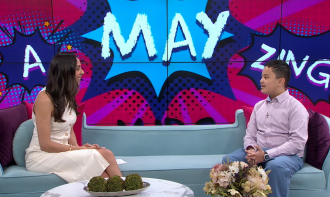
OWC worked with ABC 7 in Los Angeles for a story about California Virtual Academies (CAVA) featuring Abijah Levy Minor, a sixth-grader who advanced to the final round of the 2025 K12 National Cook-Off. Chosen from more than 400 student chefs nationwide, his story shows what CAVA students can do with passion and creativity. Watch the full story here.
OWC earns radio coverage for K12’s CAVA on KCBS San Francisco
OWC secured a live interview on KCBS San Francisco with Norah, a student from California Virtual Academies (CAVA). She shares her experience with virtual learning and highlights her upcoming trip to Orlando to compete in the National History and Science Bee. Listen to the full interview here.
OWC secures international placement for CompoSecure in India
OWC secured coverage abroad in India for CompoSecure (Nasdaq: CMPO), a leader in metal payment cards, security, and authentication solutions. Amanda Gourbault, Chief Revenue Officer, was featured in BW Businessworld, highlighting the growing traction of metal cards across the APAC region, especially in markets like India. Click here for the full coverage.
TALK PR:
Tracy Williams: Our guest today is Kate Pletcher. She’s the founder and CEO of Treehouse Partners. It’s a boutique executive search firm, and she’s pretty well known in the Los Angeles community, especially among startups where CEOs know to tap into her to find the right people to strengthen and grow their businesses. She built a successful staffing firm before founding Treehouse Partners. And I think it’s kind of interesting too. She was the director of Global Brand Licensing for Sketchers years ago. She has an undergraduate degree in journalism and then went on to graduate school to get her MBA from UCLA Anderson. Very impressive. So the surprise clients greatest concerns at the moment as they’re looking for talent. Who? What are people looking for?
Kate Pletcher: Yeah, well, you know, I started my business kind of towards the tail end of the recession in 2010 and back then, it was kind of a similar vibe to now, in that the issues they’re having are, hey, we put a job out there. We spread it, spread word to our network that we have this, this role coming up, and anyone who’s got a pulse is applying, and it’s just overwhelming. We have a really hard time shuffling through all of that, particularly if someone comes in as a referral. You know, how do we deal with that? How do we assess them? How do we potentially give them bad news? And, you know, manage the relationship that referred them in.
Tracy Williams: Yes, because the company is paying you.
Kate Pletcher: That’s right, the company’s paying us Yes. So they love to kind of put that in the hands of someone else. The other thing that happens, I think, particularly when there’s uncertainty in the economy, is the great candidates, the A-plus candidates, are less likely to take a call, right, because they sense uncertainty and they just don’t want to make a move, they don’t want to take a risk, right? So a lot of our clients are saying, even if they have in-house recruiters or things like that, they really need our help to get to those passive candidates who normally wouldn’t take a phone call.
Tracy Williams: Are you having companies offer them, like a one year signing bonus, or what is the what is the incentive? Yeah, what is the A player? Secret sauce?
Kate Pletcher: Okay, it’s truly the opportunity and the people. It’s not ever really about the bonus or the cash necessarily. It’s really Hey, are these people that I could really see myself in the trenches with, and is this a company that I could see myself having a big impact on? And that is in an industry. Maybe this would be the added icing on the cake. Is in an industry that is maybe a little less risky or a little less subject to, you know, the ups and downs of the economy, the political landscape, tariffs, you know, yeah, tariffs, everything, yes.
Tracy Williams: So, okay, so you started your company just a couple years after I started my company. So we’re, we’re recession. We gave birth and recession, right? Yeah. So are companies looking for something today that they weren’t looking for a year or two ago? And I don’t know if we know the executives they want those things. What are the companies looking for right now in this challenging, uncertain climate.
Kate Pletcher: Yeah, in the people, they’re looking for people who have dealt with adversity, who have been through some battles, um, there’s, there’s kind of this, um, well, this word that gets thrown around always, but I would say, comes up in almost every call with clients recently, which is grit. There’s, is it? Angela Duckworth, I forget her last name, but the book grit, which is helpful to read, but it just talks about, you know, folks who you know, they get knocked down, they’re back up, and they learn from it, and they’re pushing forward, and that doesn’t phase them. It’s kind of how they were brought up. You know, they have enough of a track record dealing with blows that they expect it, and they’re planning for it, and then they pivot, you know, as needed. So I think that has become more and more important for us. Another thing that has always been important but is probably, you know, getting more double clicks now than ever is, is the creative problem solving. So we tend to hire a lot of folks who had some sort of experience, maybe with management consulting or I. Banking or something like that, where they were thrown into different industries and had to use data, use good question asking to kind of figure out what’s going on here and how do we navigate this? Those skills are very valuable in an executive, because they’re getting thrown stuff at them on a weekly basis that no one has ever seen before and no one has ever navigated. So being able to approach those kinds of challenges with calm, with a process, with a steady face for the rest of the team is very, very important.
Tracy Williams: So there’s processes, obviously, that you learn in business school and you learn in when you go into a new job. Are there any processes that you would say, hey, you know, this one always seems to be used the most, or seems to have the most effectiveness.
Kate Pletcher: Are you asking in terms of our process for evaluating talent?
Tracy Williams: What we’re seeing in companies? What do you expect? I mean, is it somebody who really knows Salesforce and the processes of Salesforce, or is there, you know, what is that? What are some of those special talents? Yeah, you know, the dot grit, but they also have to have a process for That’s right, how they’re going to manage.
Kate Pletcher: Yeah, I would say, well, you know, along with grit, that kind of calm, you know, is really important, just in terms of the soft skills, when we get into how they actually assess a problem, I personally, and what we’ve seen be very successful in place. Candidates for us is someone who’s collaborative, someone who goes and this goes into the process ask questions of all the stakeholders who are involved also has the wherewithal to know that you have to take some of those answers with a grain of salt. Right? People have different motives. They have different drivers, but understanding the perspectives of a diverse group of, you know, employees or external, internal stakeholders, whatever they might be, is a foundation to then add the next layer, which is usually actual data, you know, so you’ve got your anecdotes there, but then adding actual data and an ability to, You know, to kind of slice and dice that and figure out what’s going on, and then, you know, you come up with your hypothesis and test it a bit. All of that sounds like that takes a long time. Keep in mind, yeah, we’re working like you, with entrepreneurs who can do that quickly and they have to, because they’re constantly pivoting and assessing and whatever. So being able to do all of those things fairly quickly, fairly thoroughly, I think, is, is really the way you get to a good answer. It’s not always the right answer, but, you know, it’s an informed answer, and it’s something you can act upon, probably equally as important is to then be okay, saying, Okay, we were wrong. We got to do all that again. Try right.
Tracy Williams: It’s interesting. I always think of some of the great business leaders of history. They really, you know, they interviewed the elevator guy, you know, a guy in an elevator. They interviewed, you know, the sparkless water guy, yes, they just, they have insights that sometimes other people might overlook. You know, given technology evolution and, you know, we started at a different time, you know, we probably, you and I both have owned blackberries, right? And yes, people haven’t, right? So is executive talent today expected to know AI and know all the programs.
Kate Pletcher: Not necessarily, I think they need to know enough to be dangerous. They don’t necessarily need to be super deep on every single tool. They need to know enough to be dangerous. They need to be people who are proactively seeking ways to use AI every day in different ways, personally, professionally. So they need to not be afraid of those tools. But they don’t necessarily need to know how to build like a custom GPT or something like that, right, right? So I think what’s going to separate, what’s going to keep us, you know, maybe ahead of the robots a little bit, is our ability to ask great questions, and that skill actually, you know, if you’ve been an executive for a while, hopefully you have that. So just being able to translate that into the tools we have, and know, you know, to keep your radar up about okay, this has this, you know, bias, or, you know, lack of information on this area, and then ask, you know, more clarifying questions, and then use it as a tool. So amongst many tools that you’re using, I think that’s super important. I don’t necessarily think any of the executives we hire need to be like gurus, though.
Tracy Williams: Well, I mean, to your point, it’s all about prompting at the it’s either prompting, but that’s just questions, right? It is right, and then drilling down and getting more answers to your questions. So, but I would say that I sometimes hear people fearful, and I’m just like, I don’t know, I don’t know how you can actually exist in today’s business world without using AI. So i i When you’re using, I still hear that, right?
Kate Pletcher: You know, I do too. And I think, I mean, if you look historically, that’s been the case with every, you know, technology. I remember even my grandma, who worked at the railroad, saying she remembers they shifted, you know, from being a railroad company to a transportation company. And that was their language, you know, and, and, and, you know, it was the same kind of innovation that was happening and we need if we’re going to survive, we need to think more broadly. We need to, you know, incorporate and certainly not be afraid of the things that are actively changing the way business is done and life is done.
Tracy Williams: So what’s the most important thing an executive should do to position themselves for the next big job?
Kate Pletcher: Your personal brand is important. We spend, you know, my team spends hours and hours and hours a day, every single day, on LinkedIn, doing Google searches, looking at people’s social media to assess, you know, is this someone who we would even want to reach out to about a prospective job? And people don’t necessarily think about that, that we see typos, we see inconsistencies, we see sloppiness, you know, we see people who didn’t take the time or really care about what they look like there, which, to me, I mean, I’m a big believer in, you know, how you do something is how you do everything, and so, you know, these are all indicators. So there could be a really great, you know, executive out there that we just brush past because they, they didn’t check that box.
Tracy Williams: So you want them. So, like, what are those steps for an executive that’s listening to this? They’re like, Oh, better check. Make sure my LinkedIn, make sure, you know, like, what are some of the, the biggest things that you spot better problems that somebody could just say, Oh, I’m so stupid. I got to go fix that.
Kate Pletcher: Depends on the function they’re in. Okay, so we’re going to have a higher bar for someone who’s applying for marketing roles, for example, than we will for a CFO necessarily. You know, the CFO doesn’t necessarily have to have a very active LinkedIn engagement. And, you know, I was on these podcasts, and I, you know, but the CFO better not have a typo, you know, the marketing person better have a lot of engagement. Better have, you know, just even the photo, the background, the description up top, better be great, right? And so those are some of the table stakes in I think if we take it further, you know, depending again, on the role we want to see that they are intellectually curious, that they are reading things, commenting on things following, you know, people and pages that are interesting and relevant, so that we know they’re not just stagnant in their job, sitting there, you know, waiting for us to call or waiting for whatever retirement. So I think it’s important to, you know, to have someone else take a look at your LinkedIn, you know, someone who you respect, and see what that looks like. And I also think it’s really important to Google yourself. You know, I chat GPT yourself, which I actually have done, and it showed up with some other people with my name is very strange anyway, but, but see what a quick search on you pulls up because your your online reputation is something that also needs to be managed and more so you know, watching for the negative, it’s great. It’s icing on the cake. If a Google search comes up with thought leadership that you haven’t even captured in your LinkedIn. We just say, Oh, this person’s, you know, a pro in this space. They’re really renowned, but we for sure don’t want to see on the second page, oh, you’re actively involved in a lawsuit with your last employer or something like that, right? So make sure you’re doing that, and then I think you’re incorrect.
Tracy Williams: Somebody who’s been in lawsuits, some challenging lawsuits, because that’s always going to be the first thing to hire digital, you know, a digital, you know, expert brand reputation person.
Kate Pletcher: Absolutely, yeah. I mean, I think if you support the investment, it’s hence, I mean, we won’t even reach out to you about an opportunity only because we’re trying to filter through, you know, 1500 other people that look like you. So in some ways, we’re looking for an excuse not to not to head hunt you, you know, and that just makes it easier for us.
Tracy Williams: Yeah, one lawsuit on page one, or the top of that page, that’s you just say no, because also you have to agree. What’s the client’s going to say?
Kate Pletcher: They’re going to see it, yep, that’s right. That’s right. Now, I’m going to be clear. There have been many people we’ve hired for our clients who have been involved in all kinds of things crazier than lawsuits. It’s definitely if we get to that point, it’s not something you need to, like, not be honest about or upfront about. I just think you want to get that conversation and so you need to be aware of your digital presence.
Tracy Williams: Okay, so what’s the craziest one? Oh my gosh. Don’t have to give us a name, but come on, give us a little story.
Kate Pletcher: Okay, there’s so many. Well, there’s been numerous ones where the person has had, like, a gun charge, you know, something like that, which is like, Okay, we had one where, gosh, I’m trying. Oh, well, we’ve had people have really bad social media pictures, you know that public, you know, naked or just like, oh, wow, you’re going a fun path. No, I’m more like, just like, super drunk. So those are, those are more that happens usually when it’s a slightly more junior search, you know? But people in their 30s, let’s call it their Instagram, which is often public, is often littered with inappropriate things. If you’re trying to go get a job or you know what I mean, totally fun for my friends. I love seeing you know what they’re up to, but, but, yeah, it’s not appropriate if you’re if you’re actively trying to make an impression.
Tracy Williams: Yeah, yeah. Is it generational to you?
Kate Pletcher: Yeah, mostly because we don’t have those photos, you know, we didn’t have those cameras, and now we’re pretty sophisticated. I mean, I have an Espresso Martini, right?
Tracy Williams: It’s a little different vibe. Oh, my God, I know.
Kate Pletcher: Maybe we’ll do that for our next Yeah, lunch, good. Yeah, Virgin. Oh, sure, of course, that’s the best kind of Martini.
Tracy Williams: So if downsizing means so there is downsizing, right? You’re seeing that it’s happening, yeah, for sure, more than a year ago. Yeah, so senior people are being laid off. Does that? Have you seen that providing opportunity for executives on the way up?
Kate Pletcher: Not as much as you would think, I mean, it is often the case that, you know, when a company is doing a layoff, they’re looking at some of their most expensive employees and trying to say, hey, look, I can get 90% of that by the person you know, who’s this person’s right hand, and it’s half the cost. So that does happen, and then that person gets elevated a little bit, I think, more than anything the I guess, if you’re asking, you know, what are the positive repercussions of those kinds of shakeups? I find that if someone, for whatever reason, is on the chopping block, they often whether they knew it at the time or not, needed that little kick. And I will say I got laid off once. It was the most devastating thing ever at the time. I could not believe it. I mean, I cried. I was, you know, had all this imposter syndrome. I couldn’t believe that I was doing well. On paper, every review was so great. The company just wasn’t doing well, and a bunch of us got laid off, and it just didn’t make sense to me. And I was like, I said, devastated. Thank God I got laid off, right? It set me on the path to what I do now, you know a client of mine at that company was the was at Skechers, and he hired me for that role, which led me to knowing that I should be a matchmaker of companies right at the time. That’s what I was doing as matchmaking companies all around the world on behalf of Skechers. And I was like, I could do this with people like this could be my thing. So, you know, had that not happened, that most devastating thing, I probably still would have been working for the man, you know. So I think when we’re speaking with folks who have recently been laid off, we’re looking for that. We’re looking for the folks who view it as an opportunity and don’t have that air of kind of desperation. And you know, yeah, fatalism, or whatever that word is, you know that word better?
Tracy Williams: It’s so great to hear from a seasoned pro that there are still opportunities. Uncertainty has always been around, and so we appreciate your take. This was really helpful. Thank you
Kate Pletcher: Always fun. Thank you so much. Tracy.