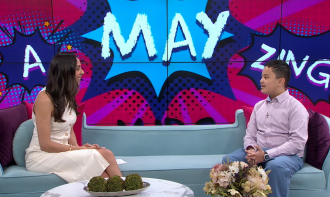
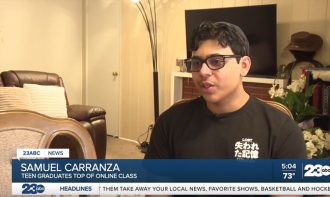
The quarantine revealed local broadcast news to be one of the most valuable and engaging sources of information on critical issues, including the regional interpretation of the latest CDC guidelines. But it’s not just Covid news that flexed broadcast power: Four out of five U.S. adults (83%) trust their local news stations over national network news (78%) and cable news channels (71%), such as CNN, Fox News and MSNBC.
With numbers like that, businesses need to get creative to attract local broadcast interest and focus on making their story broadcast quality:
News relevance: Measure how the story is relevant to the current news cycle and what’s impacting the community. People are making decisions about back to school and work, personal finance, inflation concerns, property values and climate issues. Can the business fit into those stories?
It must be visual: A broadcast story is de facto visual. We want to look at what a camera crew will need to film to tell the story. A camera-ready spokesperson may be needed or even better, customers. Customers are the most compelling spokespeople for a business. Even a minor celebrity appearance at an unveiling can be a draw and young, inquisitive children at an outdoor activity with music and giveaways offer visual interest. All the facts needed will be available in a press kit, from fact sheets, press releases, executive bios, along with an “anchor read” so an in-studio anchor is prepared to introduce footage accurately.
Planning … Calendars, film crew schedules, competing events and more: What other news or events will compete with the story? Be realistic about how news media will perceive what’s important. We look for “slower news” days anticipating what’s playing out on the news that week. Friday mornings are a good time because broadcast looks for lead-ins to the weekend with feel-good or fun stories. Relentless media follow-up and continued reconfirmation is critical to success because every story is competing for the same airtime, not including breaking news. We are vigilant about ensuring our client’s event is on the station’s planning calendar.
Run-of-Show: A schedule that tells company personnel what to do, where to go and how to approach every moving part of a fast-moving opportunity is the run-of-show. It ensures the communication process is seamless, camera subjects are ready, and reporters’ needs accommodated. Be a resource to reporters, but then give them their space because they know how they want to cover this story. Successful planners know everything will not go as planned. They know that news crews can be pulled away without warning for breaking news, but the run-of-show gives us a roadmap of what we hope will happen.
Capture, report and promote: The whole reason for local broadcast events is to engage with the important trusted audience and deliver on marketing goals. So, we want to capture this news and spread it far and wide on social channels, post on the website, share with customers, employees and investors. Many stations post their coverage online, especially if a reporter was at the press event to cover the story. If they don’t, clipping services such as DigiClips and Metro Monitor perform wide tracking and can outline key figures like viewership to determine ROI and the success of a campaign. While there may only be one news clip, the story may have run a dozen more times in syndication. News clips of coverage can and should be purchased, because although they live only momentarily on TV, such authentication can have an indefinite lifespan on the company’s website, social media and marketing programming.
Earning local broadcast media coverage requires knowing when and how to present a company’s story, and it takes persistence and a touch of hard-won luck. The reward is a measurable impact on community, reputation and the bottom line.
Our team can consult on strategies to participate in the flow of local news all around us—to see and be seen, and to matter.